
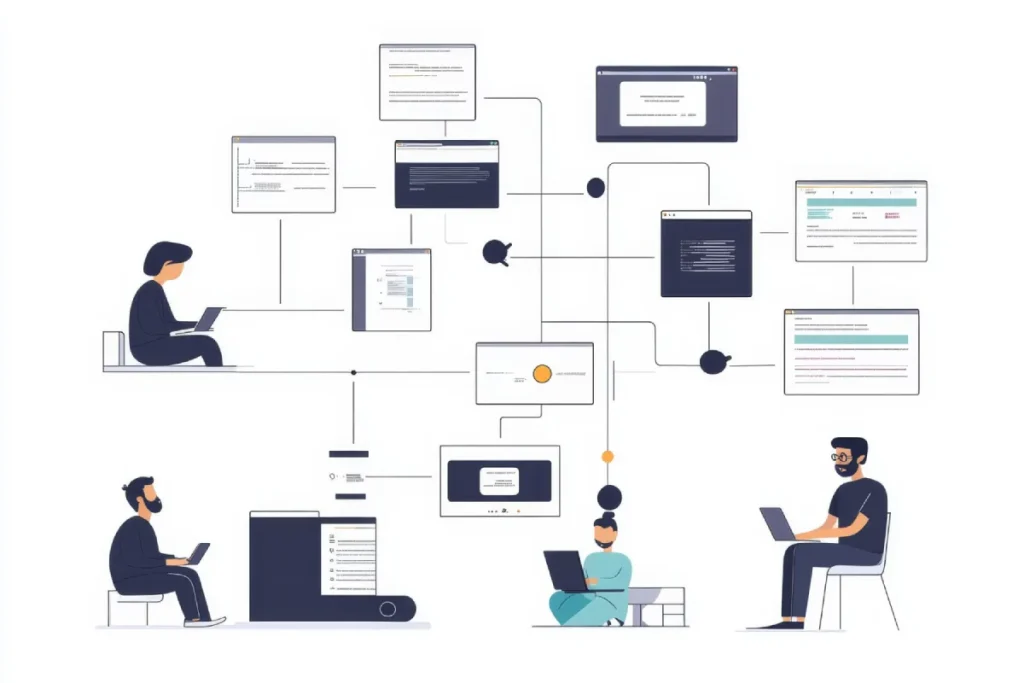
Understanding GitOps Explained
Modern software engineering demands speed, reliability, and extreme consistency. To meet these demands, teams are rapidly shifting their operational paradigms. Getting GitOps Explained properly reveals a methodology that uses standard version control systems as the single source of truth for declarative infrastructure. Instead of manually clicking through cloud dashboards, developers write configuration files. This modern approach ensures that your entire deployment environment is strictly versioned, highly predictable, and easily reproducible at any given moment.
The Core of Infrastructure as Code

The absolute foundation of this modern methodology is Infrastructure as Code. Rather than relying on fragile, undocumented manual processes, engineers define server configurations, networking rules, and application environments using simple, readable code files. This declarative state is then securely stored in a centralized repository. If an unexpected server failure occurs, the system automatically reads these coded files to rapidly rebuild the exact required environment, completely eliminating dangerous configuration drift and minimizing costly downtime.
Leveraging Powerful Git Workflows
To manage these configuration files effectively, engineering teams utilize standardized Git Workflows. When a developer needs to increase server capacity or deploy a new database, they do not touch the live servers directly. Instead, they create a standard pull request containing the proposed code changes. This creates a highly collaborative environment where senior engineers can meticulously review, discuss, and approve architectural changes before they are ever applied to the live, customer-facing production environment.
Automating the Deployment Cycle
Once a pull request is formally approved and merged, advanced software agents take over. These automated operators continuously monitor the repository for new updates. When they detect a change, they instantly synchronize the live cloud environment to match the newly merged code exactly. This relentless, automated reconciliation loop is the true magic of this ecosystem. It ensures that the actual production state always perfectly mirrors the intended, version-controlled state without requiring any manual human execution.
Enhancing Cloud Security Protocols
Security and compliance are drastically improved when adopting this architectural philosophy. Because all structural changes must pass through strict Git Workflows, organizations gain a perfect, immutable audit trail of every single modification. You always know exactly who changed a configuration, precisely when it happened, and exactly why it was approved. Furthermore, external deployment tools no longer need administrative access to your cluster; the internal agents pull the changes securely, drastically reducing the overall attack surface.

Conclusion
In summary, modernizing your deployment strategy is no longer optional for high-performing tech companies. By thoroughly understanding GitOps Explained, teams can completely automate their environments. Combining Infrastructure as Code with standard version control provides unparalleled reliability, security, and velocity. Engineers can confidently manage complex distributed systems, completely eliminating manual deployment anxiety. Embracing these advanced operational principles ultimately guarantees a highly resilient, deeply auditable, and incredibly efficient platform for continuous long-term digital business growth.
Frequently Asked Questions
Question 1: What is the main benefit of this operational model?
Answer: It provides a single source of truth for your entire architecture, ensuring all deployments are automated, versioned, and instantly reversible if critical errors occur.
Question 2: Why is Infrastructure as Code fundamentally necessary?
Answer: It replaces error-prone manual server configurations with trackable, readable text files, completely preventing dangerous configuration drift across multiple, distinct deployment environments.
Question 3: How do Git Workflows actively improve security?
Answer: They force every infrastructure change to go through a formal review process, creating an immutable, highly detailed audit log of all critical system modifications.
Question 4: Can this proactive methodology prevent system downtime?
Answer: Yes. By continuously monitoring the live state against the repository, automated agents instantly correct any unauthorized or accidental changes, maintaining strict architectural stability.
Question 5: Do developers need to learn new complex deployment tools?
Answer: No, they use the exact same version control commands and pull request processes they already use daily for standard, routine application code development.